
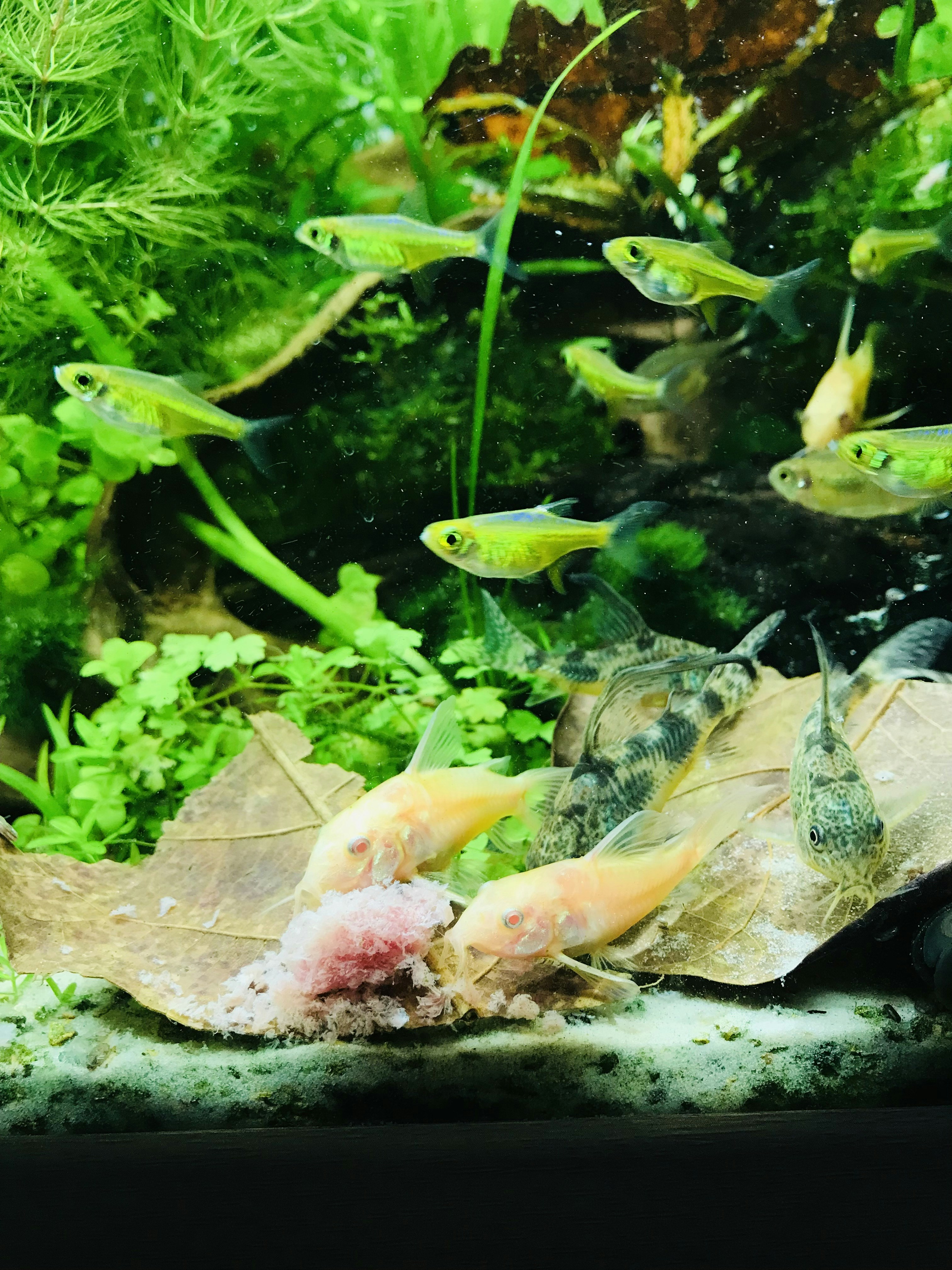
Introduction to Fish Feeding in Aquariums
Feeding fish in aquariums is a fundamental aspect of maintaining a healthy aquatic environment. Proper nutrition is essential not just for the well-being of the fish but also for the overall balance of the aquarium ecosystem. A well-nourished fish displays vibrant colors, active behavior, and resilience to disease, thus contributing to a visually appealing and thriving aquarium.
Unfortunately, many aquarium keepers, both novice and seasoned, often make critical mistakes when it comes to feeding their fish. These errors can lead to a variety of issues, such as water quality deterioration, unhealthy fish, and imbalanced ecosystems. Factors like overfeeding, underfeeding, and the wrong type of food can drastically affect the well-being of fish and the environment in which they live. As such, understanding the feeding requirements of different species and the implications of feeding practices is vital.
This overview highlights the necessity of recognizing feeding mistakes within aquariums. Common missteps include adhering to improper feeding schedules and not considering the specific dietary needs of each fish species. Moreover, some aquarium keepers may not be aware of the effects of uneaten food residues, which can lead to increased levels of ammonia and other toxic substances in the water, jeopardizing fish health.
As we explore the topic further, we will delve into specific feeding mistakes that are frequently encountered. Each section will address a particular error and provide insights into avoiding them, thereby fostering a healthier and more sustainable aquarium environment. Taking the time to understand and implement proper feeding techniques will undoubtedly enrich the lives of both the fish and the people who care for them.
Mistake 1: Overfeeding Fish
Overfeeding fish is one of the most common mistakes made by aquarium keepers, and it can lead to a plethora of health issues for aquatic life. Excess food remains uneaten at the bottom of the tank and can quickly deteriorate water quality, causing spikes in ammonia and nitrite levels, which are harmful to fish. Furthermore, overfeeding can result in obesity among fish, leading to various health complications, such as swim bladder disorder and reduced lifespan.
In order to avoid the hazards associated with overfeeding, it is essential that aquarium keepers familiarize themselves with appropriate portion sizes. A general rule to follow is to feed fish only what they can consume within a few minutes, typically 2 to 3 minutes of feeding. Observing fish during feeding time can help in determining if the amount provided is sufficient or excessive. Signs of overfeeding can manifest as lethargic behavior, where fish seem uninterested in moving or engaging in their usual activities. Additionally, keepers may notice uneaten food floating on the surface or settling at the bottom of the tank, indicating that they have provided more than what the fish can handle.
Practical advice for preventing overfeeding includes employing feeding schedules that align with the specific needs of different fish species. Some fish may require multiple small feedings per day, while others might thrive on a single feeding. It is advisable to vary the types of food offered, such as flakes, pellets, and occasional live or frozen foods, to ensure a balanced diet while monitoring the quantity. By being diligent in feeding practices and recognizing the signs of overfeeding, aquarium keepers can maintain a healthy environment for their fish, reduce water pollution, and promote vibrancy within their aquatic community.
Mistake 2: Choosing the Wrong Pellet Size
Selecting the appropriate pellet size is crucial for the health and well-being of fish in an aquarium. Different species of fish have varying mouth sizes and feeding behaviors, which means that a one-size-fits-all approach to fish food is inadequate. Understanding the importance of pellet size can significantly enhance feeding efficiency, digestion, and overall nutrition.
For small fish species, such as neon tetras or guppies, a finely crushed or smaller pellet is essential. When the pellets are too large, these fish struggle to consume them, leading to wasted food, poor feeding practices, and potential stress. Moreover, if smaller fish cannot consume the pellets properly, they may miss out on vital nutrients, which can affect their growth and health over time.
Conversely, larger fish species, like cichlids or oscars, require larger pellets that can cater to their bigger mouths. If smaller pellets are provided, these fish may not feel satiated, prompting them to overconsume or become aggressive toward tank mates in search of suitable food. It is important to observe the feeding behavior of the fish to determine whether they are efficiently consuming the pellets within a reasonable time frame.
When selecting fish food, consider the species and their individual needs. Researching the natural diets of the fish can also provide insights into the appropriate pellet sizes. Fish that are natural bottom feeders might benefit from sinking pellets, while surface-dwelling species may prefer floating options.
In summary, choosing the wrong pellet size can hinder the feeding performance of your fish, resulting in negative consequences for their health and development. By paying attention to species-specific requirements and adjusting pellet sizes accordingly, aquarium keepers can improve their fish’s feeding experience and nutritional intake, ensuring a thriving aquatic environment.
Mistake 3: Feeding Unsuitable Food
Feeding unsuitable food to aquarium fish is a prevalent mistake that can have serious consequences for their health and overall well-being. Fish, much like any other animal, require a balanced diet that is specific to their species. Providing poor-quality food or an inappropriate diet can lead to various nutritional deficiencies, ultimately resulting in health issues.
A common aspect of unsuitable food entails offering fish food that does not align with their dietary needs. For instance, carnivorous species typically require a protein-rich diet, while herbivorous fish thrive on plant-based materials. If these dietary preferences are ignored, fish can become malnourished, leading to stunted growth, weakened immune systems, and increased susceptibility to diseases.
Additionally, feeding fish excessively or offering them inappropriate food types can result in digestive problems. Fish that consume food not designed for their dietary needs may struggle to process it, potentially causing bloating or constipation. Moreover, leftover uneaten food can decompose, compromising water quality and disputing the overall health of the aquarium environment.
To avoid these pitfalls, it is essential for aquarium keepers to familiarize themselves with the specific nutritional requirements of their fish species. High-quality brand-name pellets, flakes, or frozen foods, specifically formulated for particular types of fish, should be prioritized. These foods are often designed to provide a complete nutritional profile that supports healthy growth and vibrant coloration.
Furthermore, varied diets that include live or frozen food, such as brine shrimp or bloodworms, can enhance the nutritional intake and promote natural hunting behaviors, contributing to the fish’s psychological well-being. In summary, prioritizing the appropriate food types is critical for maintaining the health of aquarium fish, ensuring their longevity, and fostering a thriving aquatic environment.
Mistake 4: Ignoring Species-Specific Nutritional Needs
When it comes to maintaining a healthy aquarium, one of the most crucial aspects is understanding the dietary requirements of the fish species you are keeping. Each species has its own unique nutritional profile that must be catered to in order to ensure optimal health and vitality. Ignoring these specific needs can lead to a range of health issues, from malnutrition to behavioral problems.
For instance, bettas, commonly known for their vibrant colors and flowing fins, require a diet high in protein. These fish thrive on high-quality pellets or live foods, such as brine shrimp and bloodworms, which replicate their natural diet in the wild. Over-reliance on low-protein flakes may not be sufficient to meet their nutritional needs, leading to weakened immune systems and slowed growth.
On the other hand, guppies, which are popular among beginner aquarists, need a balanced diet that includes both plant-based and protein-rich foods. These tiny fish are omnivorous and benefit from a varied diet, including finely crushed flakes, high-quality pellets, and occasional vegetable matter like blanched spinach. This balance not only supports their growth but also enhances their coloration and reproductive health.
Similarly, tetras prefer a diet rich in protein as well, but they are also known to consume plant matter. Thus, a combination of high-quality freeze-dried or frozen foods, along with plant-based flakes, is ideal. This helps them thrive and exhibit their natural schooling behavior.
Lastly, cichlids have diverse dietary needs depending on the species; some may require more protein, while others benefit from a diet rich in vegetable matter. Customizing the feeding regimen based on the specific type of cichlid kept is essential for their health and collection success. Providing the correct food will also minimize aggression or territorial behavior that can arise from competition for food.
In conclusion, recognizing and catering to the species-specific nutritional needs of fish is essential for promoting their overall well-being and longevity. A tailored feeding approach that reflects the unique requirements of each species can help avoid the common pitfall of neglecting these dietary differences in the aquarium setting.
Mistake 5: Feeding Too Frequently
Feeding fish is an integral part of maintaining an aquarium, yet one common mistake that many aquarium keepers make is providing food too often. Overfeeding not only impairs the health of the fish but also adversely affects water quality, leading to a cascade of issues that can harm the entire aquatic ecosystem.
When fish are fed excessively, uneaten food begins to decompose, releasing harmful substances such as ammonia into the water. This can quickly lead to toxic conditions that stress fish and increase their susceptibility to diseases. Furthermore, overfeeding can lead to obesity in fish, which negatively impacts their overall health and longevity.
To avoid these detrimental effects, it is crucial to establish a balanced feeding schedule tailored to the needs of different fish species. Most experts recommend feeding fish once or twice a day, with the amount of food sufficient to be consumed in just a few minutes. This feeding frequency allows fish to utilize the nutrients efficiently without overburdening the filtration system.
Different species have varying dietary requirements, so it is beneficial to do some research on the specific needs of your fish. For instance, smaller fish may require more frequent but smaller meals, whereas larger species can thrive on less frequent feedings. Moreover, some types of fish might benefit from a varied diet that includes dry pellets, frozen foods, and live options to ensure a well-rounded nutritional profile.
Additionally, monitoring the feeding behavior of your fish can help you fine-tune their feeding schedule. If you notice leftover food accumulating after feedings, it is a sign that you are providing too much. Adjusting the feeding portions and frequency can significantly enhance both fish health and water quality.
In conclusion, by avoiding the mistake of overfeeding your fish, you can cultivate a healthier aquarium environment. Establishing appropriate feeding frequencies and understanding the nutritional needs of your fish are vital steps towards ensuring their well-being and maintaining optimal water conditions.
Mistake 6: Allowing Uneaten Food to Accumulate
One of the critical errors that many aquarium keepers make is allowing uneaten food to accumulate within the aquarium. This mistake can lead to several negative consequences, primarily due to the increased organic matter breaking down in the water. When fish food is not consumed, it begins to decompose and can lead to spikes in ammonia levels, which is a toxic substance harmful to aquatic life.
As uneaten food decays, it releases ammonia into the water, leading to poor water quality. Elevated ammonia levels can have severe repercussions for fish, including stress, respiratory issues, and even death. Additionally, ammonia can encourage the growth of harmful bacteria and algae, further disrupting the aquarium’s ecosystem. This imbalance may lead to further deterioration of water quality, resulting in a negative spiral of health concerns for the fish population.
To mitigate these issues, it is essential for aquarium keepers to practice diligent feeding habits. This includes gauging the appropriate amount of food to offer their fish based on species and size, thereby minimizing leftovers. Aquarium owners should observe their fish during feeding times to ensure all food is consumed within a few minutes. If there is leftover food post-feeding, it is advisable to remove it immediately to prevent any water quality issues from developing.
Moreover, regular maintenance is crucial in promoting a healthy aquatic environment. This includes performing partial water changes on a routine basis, cleaning the substrate, and removing any decomposing organic matter. By integrating these practices into the aquarium upkeep routine, fish keepers can maintain better water quality and ensure the wellbeing of their aquatic inhabitants.
Mistake 7: Suddenly Changing a Fish’s Diet
One of the most common mistakes that aquarium keepers make is abruptly changing the diet of their fish. Such a sudden change can lead to significant digestive distress and other health complications for aquatic pets. When fish are suddenly introduced to new foods without proper acclimatization, they may experience symptoms like bloating, constipation, or diarrhea. These conditions can stress the fish and, in severe cases, might lead to more serious health issues or even death.
To avoid these potential risks, aquarium keepers should adopt a gradual approach when transitioning to new foods. A sudden change may be tempting due to the convenience of a new product or food type, but patience is key to ensuring the health of the fish. A recommended method for transitioning food types involves slowly mixing the new food with the fish’s current diet over a period of several days or even weeks. Start by offering a small amount of the new food alongside the old food, gradually increasing the proportion of new food while decreasing that of the old food.
This gradual integration allows the fish’s digestive system to adapt to the new dietary components, minimizing the risk of stress and discomfort. It’s essential to observe the fish during this transition period to monitor their behavior and health. If there are any signs of distress or refusal to eat, it may be necessary to revert to the previous diet and attempt the transition at a later time or in a different manner.
By implementing a thoughtful and gradual approach to dietary changes, aquarium keepers can enhance their fish’s well-being and longevity. Remember that maintaining consistency in nutrition is crucial for the overall health of the aquarium ecosystem. Therefore, taking the time to ensure a smooth transition is an important responsibility of any fish keeper.
Conclusion and Feeding Checklist
In summary, understanding the common fish feeding mistakes can significantly enhance the health and wellbeing of your aquarium inhabitants. By avoiding overfeeding, selecting the right types of food, and adhering to a consistent feeding schedule, aquarium keepers can ensure their fish thrive in a balanced ecosystem. Each of the points discussed throughout this article highlights the importance of tailored feeding practices that suit the specific needs of various fish species.
As an aquarium keeper, it is crucial to recognize the dietary requirements influenced by factors such as age, size, and overall health of your fish. Implementing a simple checklist can help streamline your feeding routine and minimize the risk of mistakes. This checklist includes evaluating the type of fish you have, determining their specific dietary needs, and providing them with high-quality foods, such as those offered by Ahkayo aquarium feeds, which are specially formulated to support fish at different life stages.
Moreover, keeping an eye on your fish during feeding sessions can allow you to assess their eating behavior and adjust the feeding amounts accordingly. Remember to monitor water quality consistently, as uneaten food can degrade water conditions and negatively impact your fish’s health. By taking these proactive steps, you can create a harmonious environment for your aquatic pets.
To summarize, integrating these feeding practices will not only foster healthier fish but will also enhance your overall experience as an aquarium keeper. With the correct approach and specialized products like Ahkayo aquarium feeds, you can effectively support the dietary requirements of your fish throughout their lives. Use the following checklist to guide your feeding practices:
- Research the dietary needs of your specific fish species.
- Establish a regular feeding schedule.
- Avoid overfeeding and be mindful of portion sizes.
- Utilize high-quality, species-appropriate foods.
- Observe fish feeding behavior and adjust as necessary.
- Maintain water quality by removing uneaten food promptly.
- Consider using specialized feeds, such as those from Ahkayo, to cater to various life stages.