
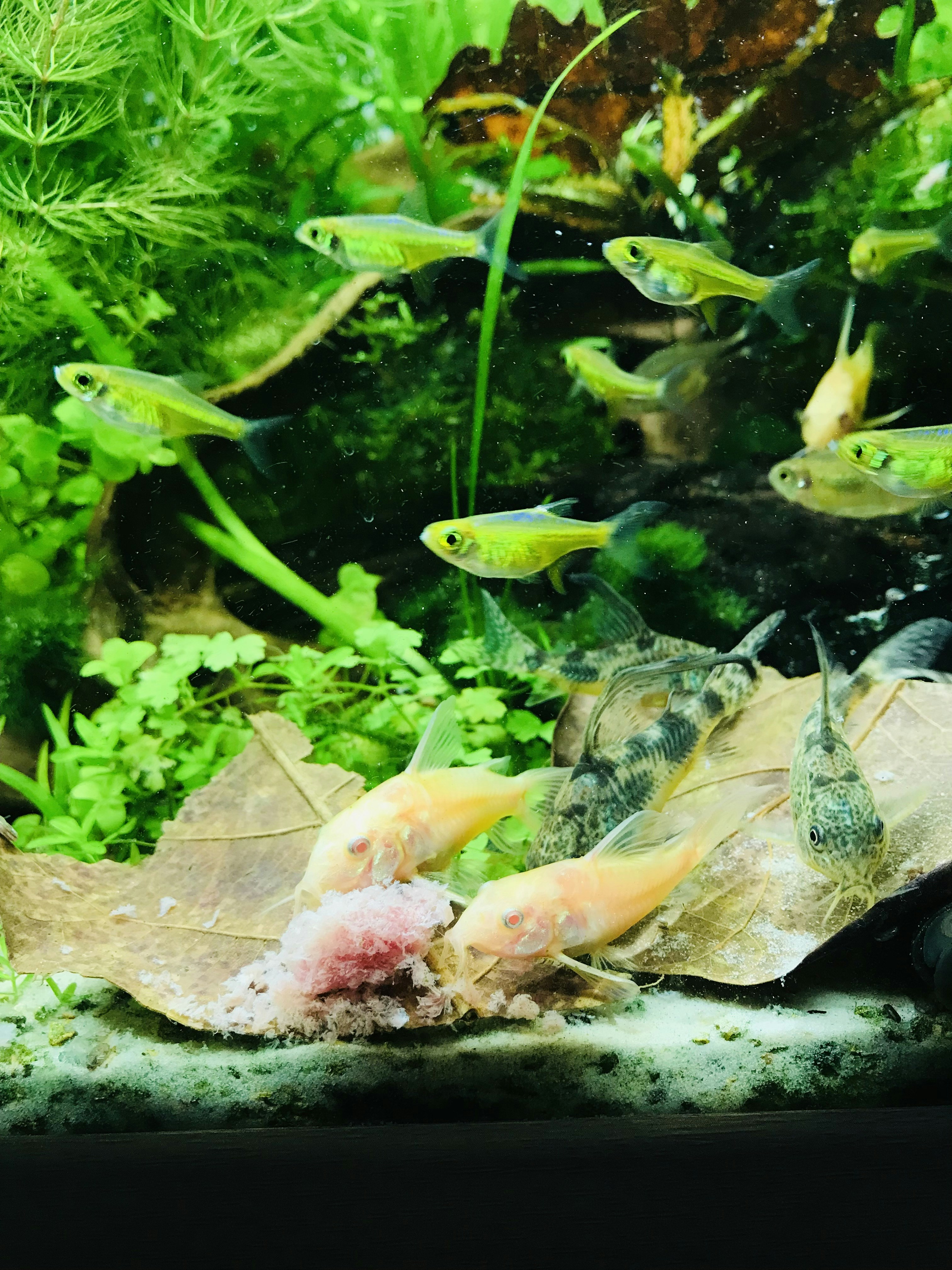
Understanding Fish Nutrition
Providing a balanced and nutritious diet is essential for the health and growth of aquarium fish. Fish require a variety of nutrients, including proteins, fats, carbohydrates, vitamins, and minerals, in order to maintain their health, enhance their coloration, and support their overall well-being. Each species may have specific nutritional needs; therefore, it is crucial to understand these requirements when selecting food for an aquarium.
Proteins are vital for the growth and repair of tissues. They play a significant role in muscle development and overall body function. Fish that are rapidly growing, such as fry and juveniles, require a higher protein intake compared to adult fish. In contrast, some herbivorous species may need plant-based proteins and fibers to support digestion.
Fats are another important component of fish nutrition. They serve as a concentrated source of energy and aid in the absorption of fat-soluble vitamins. However, it is essential to include fats in moderation, as excessive fat can lead to health issues, such as obesity and liver disease.
Carbohydrates, while not a fundamental component of fish diets, can provide energy and support gut health. The inclusion of complex carbohydrates from plant sources can be beneficial for many fish. On the other hand, vitamins and minerals are crucial for metabolic functions and immune system performance. A deficiency in these nutrients can lead to significant health problems, including illness and poor growth.
The importance of a balanced diet cannot be overstated. A well-nourished fish not only exhibits vibrant colors but is also more resilient against diseases. Therefore, aquarium owners should invest in high-quality fish food that caters to the dietary needs of their specific fish species. Such investment in premium nutrition will ultimately contribute to a thriving aquatic environment.
The Role of Species-Specific Nutrition
Species-specific nutrition plays a crucial role in maintaining the health and vitality of aquarium fish. Each fish species possesses unique dietary requirements that are influenced by their natural habitat, biological composition, and evolutionary history. For instance, carnivorous fish such as predatory cichlids or groupers have different nutritional needs compared to herbivorous species like tangs or certain types of plecos. Understanding these dietary preferences allows fish owners to offer tailored feeding strategies essential for optimal growth and longevity.
Tailoring the diet according to species not only enhances the overall health of the fish but also promotes coloration, boosts immune responses, and increases reproductive success. In the wild, many fish have evolved to thrive on specific types of food available in their environment. Recreating these dietary conditions in a home aquarium can significantly reduce stress levels and improve life spans. For example, many freshwater and marine species require certain proteins, vitamins, and minerals that are abundant in their natural diets.
Moreover, the failure to cater to these specific nutritional needs can lead to serious health problems. Fish that are fed inappropriate diets may exhibit stunted growth, poor coloration, and increased susceptibility to diseases. Behavioral issues may also arise, as an inadequate diet can cause stress, which often leads to aggression or lethargy. Thus, providing a varied diet that mimics the natural food sources of the fish can enhance not only their physical attributes but also their ability to coexist harmoniously within a community tank.
In conclusion, understanding the role of species-specific nutrition is vital for any aquarium enthusiast. By catering to the distinct dietary needs of different fish species, aquarists can create a thriving aquatic environment that ensures the well-being and longevity of their underwater inhabitants.
High-Quality Protein: The Cornerstone of Fish Health
The significance of protein in fish nutrition cannot be overstated, as it serves as the fundamental building block for growth, repair, and maintenance of muscle tissues. Especially in the context of premium fish nutrition, high-quality protein is crucial for promoting optimal health and ensuring the fish thrive in both freshwater and marine environments. When fish receive a diet rich in high-quality protein, they exhibit improved growth rates, stronger physical development, and enhanced resilience against diseases.
Sources of protein in premium fish feeds typically include whole fish meal, shrimp meal, and various plant-based proteins such as soy and spirulina. Whole fish and shrimp provide essential amino acids that are critical for fish to develop naturally and healthily. Additionally, incorporating a mix of both animal and plant proteins in fish diets can lead to higher digestibility and absorption rates, maximizing the nutrients that the fish can utilize.
The benefits associated with high-quality protein sources extend beyond just growth; they also improve the overall vitality and functionality of aquatic species. Fish that are fed diets high in protein exhibit greater energy levels, which is essential for natural behaviors such as swimming, foraging, and reproduction. Furthermore, studies have demonstrated that fish nourished with premium protein sources show improved skin condition and coloration, enhancing their appearance and ultimately contributing to their allure in aquarium settings.
Moreover, high-quality protein helps in establishing a robust immune system, reducing the likelihood of infections and illnesses. This is particularly vital in aquaculture, where crowded conditions can lead to increased stress and diseases among fish populations. By prioritizing the intake of well-sourced protein, fish keepers can not only support the health and growth of their aquatic pets but also foster a more harmonious and thriving aquarium ecosystem.
Essential Vitamins and Minerals for Aquatic Life
Maintaining the health of aquarium fish is paramount for any aquarist, and a vital aspect of this is ensuring that these aquatic creatures receive the proper vitamins and minerals in their diet. Vitamins and minerals serve crucial roles in enhancing the immunity, growth, and overall well-being of fish. Here, we will explore some of the essential nutrients needed for optimal fish health.
One of the most important vitamins for fish is Vitamin A, which plays a significant role in maintaining good vision and supporting a healthy immune system. This vitamin is pivotal in promoting growth and development in young fish, helping them become robust adults capable of thriving in their environments. Vitamin C is another critical nutrient that contributes to the immune response, helping fish resist infections and recover from illness. Additionally, it acts as a powerful antioxidant, protecting fish from cellular damage.
Furthermore, B vitamins, including B1 (Thiamine), B2 (Riboflavin), and B12 (Cyanocobalamin), are integral for energy metabolism and overall health. These vitamins support stress resilience, which is crucial given the often confined and variable conditions of home aquariums. They also promote good appetite and digestive health in fish, ensuring that they can effectively utilize the nutrients from their food.
Minerals, too, are essential for the vitality of aquarium fish. Calcium is vital for bone development and proper muscle function, while phosphorus aids in energy transfer and cellular function. Additionally, trace minerals such as iron and zinc contribute to the formation of enzymes that are necessary for physiological processes. The right balance of these nutrients not only enhances growth but also improves the stress resilience of fish, allowing them to adapt better to changes in their environment.
In summary, incorporating an optimal blend of essential vitamins and minerals into an aquarium fish’s diet is critical for their health and longevity. This balanced nutritional approach ensures that fish enjoy enhanced immunity, growth, and stress resilience, vital for thriving aquatic life.
Spirulina and Natural Color Enhancers
Spirulina, a type of blue-green algae, is renowned for its rich nutrient profile and is frequently utilized in premium fish nutrition. This natural ingredient is particularly celebrated for its high levels of carotenoids, which play a pivotal role in enhancing the coloration of fish. Carotenoids are pigments found in various plants and algae; they provide a vibrant spectrum of colors, from reds to oranges, significantly impacting the aesthetic appeal of aquatic species.
The inclusion of spirulina in fish feeds promotes not only better coloration but also overall health and vitality among fish. The antioxidants present in spirulina contribute to cellular health, supporting the immune system while also ensuring that fish maintain their vibrant coloration. As fish ingest spirulina, the pigments are deposited in their skin and muscle tissues, thereby enhancing their natural hues and providing a more striking appearance, which is particularly appreciated in ornamental species.
In addition to spirulina, there are other natural color enhancers commonly found in premium fish diets. Ingredients such as astaxanthin, sourced from certain algae and crustaceans, and cantaxanthin, derived from various plants, are also known for their ability to boost pigmentation in fish. These compounds work synergistically with spirulina to elevate the dietary value of fish feeds, leading to not only vivid colors but also improved outcomes for fish breeding and competition. The utilization of such natural color enhancers is a testament to the advancements in fish nutrition, reflecting an understanding of the importance of both health and aesthetics in aquaculture.
Ultimately, incorporating spirulina and other natural color enhancers into fish feeds ensures that fish exhibit their most vibrant colors while simultaneously promoting their overall well-being. This approach not only satisfies the visual demands of aquarists but also adheres to the highest standards of fish care.
Probiotics for Digestive Health and Immune Support
In the realm of fish nutrition, probiotics play a crucial role in enhancing the overall health and vitality of aquatic life. These beneficial microorganisms contribute significantly to the digestive processes of fish, promoting improved digestion and nutrient absorption. When fish consume diets fortified with probiotics, they exhibit better gastrointestinal health, resulting in more efficient breakdown of feed and greater uptake of essential nutrients.
The mechanism behind this enhancement lies within the unique characteristics of probiotics. These live microorganisms work to maintain a balanced gut flora, which is vital for optimal digestion. As fish digest their food, probiotics help prevent the overgrowth of harmful bacteria that can lead to gastrointestinal issues. By establishing a healthier gut environment, probiotics not only facilitate better digestion but also enhance nutrient availability, allowing fish to thrive on less feed while still receiving the necessary nutritional benefits.
Moreover, the inclusion of probiotics in fish diets significantly boosts immune system function. Healthy fish exhibit stronger resistance to diseases and parasites, resulting in lower mortality rates and reduced reliance on antibiotics. The relationship between digestive health and immune support is particularly noteworthy; a well-functioning digestive system is integral to maintaining an effective immune response. By optimizing gut health, probiotics help fish produce the antibodies and other immune factors necessary for fighting off infections.
Research demonstrates that fish fed with probiotic-enhanced diets show not only improved growth rates but also enhanced survival rates when faced with stressors or health challenges. This makes probiotics an essential aspect of premium fish nutrition, ultimately fostering healthier, more resilient fish populations in both aquaculture and hobbyist settings.
As aquarists and fish farmers continue to seek ways to improve the well-being of their aquatic inhabitants, the strategic incorporation of probiotics promises to be a valuable tool in promoting sustainable and effective fish husbandry practices.
Determining Appropriate Pellet Size
Choosing the correct pellet size for aquarium fish is a foundational aspect of fish nutrition that can significantly influence their feeding behavior, digestion, and overall health. Different species of fish have varying mouth sizes and feeding habits, which necessitates a tailored approach to pellet selection. For example, smaller fish such as guppies or neon tetras require smaller pellets that can be easily ingested, ensuring they absorb the necessary nutrients without the risk of choking or digestive obstruction.
On the other hand, larger species like cichlids or oscars should be provided with larger pellets that match their size and feeding capacity. Offering pellets that are too small for these fish can lead to inefficient feeding behavior, where they may struggle to consume enough food, ultimately impacting their growth and overall health. Conversely, larger pellets can pose a challenge for smaller fish, potentially leading to wasted food and water quality deterioration.
Additionally, the impact of pellet size extends beyond feeding ease; it also relates to digestion. Smaller pellets often disintegrate faster in water, allowing for easier digestion and nutrient absorption. Conversely, larger pellets may take longer to break down, potentially causing issues in digestion if not consumed promptly. This is particularly relevant in heavily stocked tanks, where water quality can quickly diminish if uneaten food remains in the substrate.
Ultimately, selecting the appropriate pellet size promotes healthy eating habits in fish and minimizes waste, enhancing the overall aquarium environment. Successful fish keeping hinges on not only providing high-quality nutrition but also ensuring that all inhabitants can access and process their food efficiently, reinforcing the importance of understanding the dietary needs of each species within the tank.
Feeding Frequency and Avoiding Overfeeding
Feeding frequency is a critical aspect of fish nutrition that must be tailored according to the specific species and their developmental stages. Different fish species exhibit varying dietary needs and metabolisms, necessitating adjustments in feeding routines to ensure optimal health and growth. For instance, juvenile fish typically require more frequent feedings compared to their adult counterparts, as they are in a rapid growth phase and have higher energy demands. It is generally recommended to feed younger fish several times a day, while adult fish may only need to be fed once or twice daily.
Considering the life stage of the fish is essential not only for their growth but also for maintaining good water quality within the aquarium. Overfeeding is a common mistake among aquarists and can lead to significant issues, including deteriorating water conditions. When excess food remains uneaten, it decomposes in the aquarium, releasing harmful substances that can adversely affect the health of the fish. Poor water quality can lead to stress, increased susceptibility to diseases, and even mortality. Thus, understanding appropriate portion sizes in relation to feeding frequency can mitigate the risk of overfeeding.
Additionally, the health of aquatic inhabitants can be affected by feeding habits. Overfeeding can lead to obesity in fish, which can further complicate their health and reduce their lifespan. Signs of overfeeding often include sluggish behavior, bloating, or floating at the surface. To prevent these issues, aquarists should monitor their fish closely and observe their eating habits. Adjustments should be made if fish appear disinterested in their food or if uneaten food is consistently found in the tank. Overall, maintaining a consistent feeding schedule, tailored to the specific needs of different fish species and life stages, is vital for achieving a thriving aquarium ecosystem.
Introducing AHKAYO: Quality, Nutrition, and Responsible Fish Keeping
AHKAYO proudly presents its comprehensive range of premium aquarium fish feeds, thoughtfully designed to cater to the dietary needs of diverse fish species. With a steadfast commitment to quality, AHKAYO ensures that its products meet the highest standards, providing nourishment that supports the health, growth, and overall vitality of aquatic life. Each formula is crafted using meticulously sourced ingredients that not only meet the nutritional requirements of fish but also enhance their natural colors and promote their well-being.
At the core of AHKAYO’s philosophy is the belief that responsible fish keeping begins with proper nutrition. The brand understands that a balanced diet is essential for maintaining a thriving aquarium ecosystem. As such, AHKAYO provides a variety of feeds suitable for both freshwater and saltwater fish, ensuring that every aquarist can find the right blend for their specific needs. The formulations are rich in essential vitamins, minerals, and fatty acids, aimed at fostering immune system strength and longevity in fish populations.
For novice aquarium enthusiasts, AHKAYO emphasizes the importance of adhering to proper feeding practices. This includes understanding the nutritional value of the feed and following tailored feeding guidelines to prevent overfeeding, which can lead to water quality issues. For experienced keepers, AHKAYO’s innovative product range offers versatility, enabling the customization of dietary plans that align with the unique habits and preferences of different fish species. By choosing AHKAYO, aquarists can ensure they are contributing to responsible fishkeeping practices while also enriching the lives of their aquatic pets.
In conclusion, AHKAYO stands as a beacon of quality and innovation in the realm of fish nutrition. Through a commitment to excellence and responsible feeding practices, AHKAYO aims to empower aquarists to nurture their aquatic environments effectively and sustainably.