
Understanding Fish Species and Their Nutritional Needs
In the world of aquarium fish, the vast diversity of species presents a wide array of dietary requirements. Each species, shaped by its natural habitat and evolutionary traits, has adapted to specific food sources that are pivotal for its health and well-being. Understanding these unique dietary needs is crucial for any aquarium enthusiast to ensure the longevity and vibrancy of their fish.
For instance, some species of fish, such as carnivorous types like the angelfish and piranha, thrive on a diet rich in protein. These fish rely on smaller fish, insects, or a specialized protein-based food that mimics their natural prey. This dietary preference is not merely a matter of taste; without adequate protein intake, these fish may suffer from malnutrition, growth issues, and weakened immune systems.
On the other hand, herbivorous species, such as the plecostomus and many种类 of tangs, require a diet that is high in plant matter. This includes algae, leafy greens, and specially formulated herbivore flakes. Providing these dietary essentials ensures that these fish maintain proper digestive health, vibrant colors, and overall vitality. Furthermore, some omnivorous species, like guppies and bettas, require a balance of both plant and animal matter in their diets. This flexibility allows them to thrive in diverse conditions found in the wild.
Moreover, it is essential to pay attention to the specific needs of your aquarium species. Environmental factors, such as temperature and water quality, can influence dietary habits as well. For instance, fish kept in warmer waters may have increased metabolism, thereby requiring more substantial feeding. Overall, a comprehensive understanding of the various fish species and their nutritional needs is vital. It not only helps in selecting the correct food but also in maintaining a balanced ecosystem within your aquarium.
Factors to Consider: Size, Age, and Feeding Behavior
When selecting the appropriate food for aquarium fish, several critical factors must be taken into account, including the size and age of the fish, as well as their specific feeding behaviors. Understanding these elements is essential for providing balanced nutrition that meets the needs of various species.
The size of the fish directly impacts the type of food that should be offered. For instance, smaller fish require smaller pellets or flakes to ensure they can effectively consume and digest their meals. Pellets designed for miniature or juvenile fish are often more suitable, as they are specifically formulated to provide the right nutrients in proportions that are appropriate for smaller mouths. Conversely, larger species can consume bigger pellets or specialized food, which may include more complex ingredients to support their robust growth and energy requirements.
Age is another crucial consideration when determining the right dietary choices for fish. Fry and juvenile fish typically require a diet high in protein and essential nutrients to support their rapid growth and development. As fish mature, their dietary needs may change, necessitating a shift to food that is rich in vitamins and minerals, facilitating their health and reproductive capabilities. Specialized feeds are often available for various life stages, ensuring that the dietary needs are adequately met.
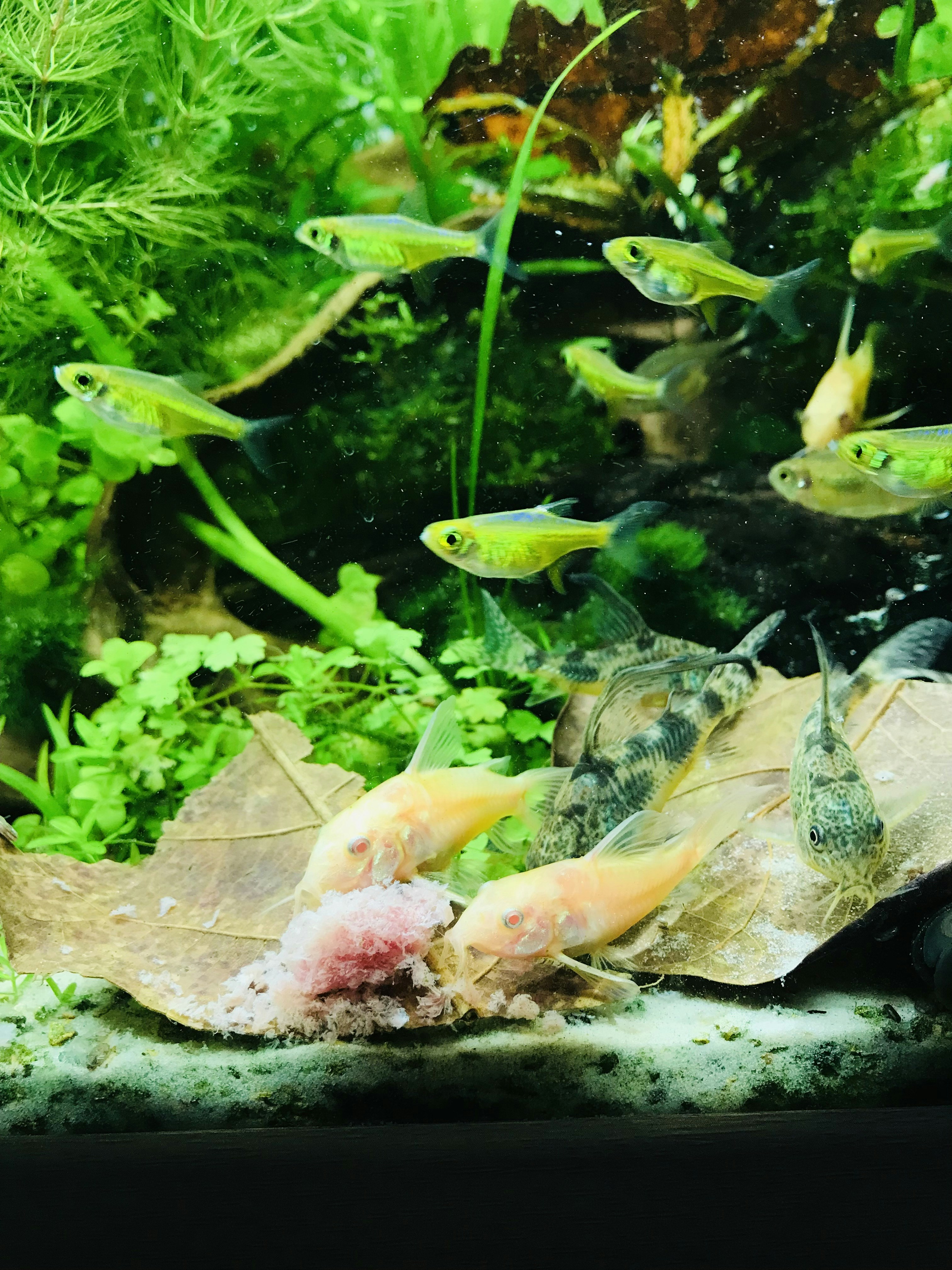
Additionally, feeding behavior plays an important role in selecting appropriate food types. For instance, surface feeders, such as bettas and guppies, benefit from floating food options that remain at the top of the aquarium. Conversely, bottom feeders like catfish require sinking pellets that can reach the substrate. Understanding the natural feeding behavior of the species in the aquarium can help aquarists provide not only nutritious food but also engage them behaviorally, promoting a healthy and active lifestyle. Therefore, matching the dietary requirements to the fish’s size, age, and feeding behavior is essential for maintaining a thriving aquatic environment.
Water Temperature and Its Impact on Feeding
Water temperature plays a crucial role in determining the metabolic rate of aquarium fish. Fish are ectothermic animals, meaning their body temperature is regulated by the surrounding water. Consequently, as the water temperature fluctuates, so does the fish’s metabolism, which directly impacts their feeding habits.
Generally, higher water temperatures accelerate a fish’s metabolism, leading to increased energy consumption and a heightened appetite. Conversely, lower temperatures tend to slow down their metabolic processes, reducing their feeding inclination. This relationship highlights the need for aquarium owners to monitor the temperature closely and adjust their feeding strategies accordingly.
When water temperature rises, particularly in species such as tropical fish, they will often exhibit a greater demand for food. This is a signal of their active metabolism, and owners should consider increasing the frequency of feedings, while also ensuring that the type of food offered meets the nutritional needs of the fish at this state. For instance, high-protein options such as live foods may be more effective in encouraging consumption during warmer conditions.
On the other hand, if water temperatures drop, fish will likely reduce their feeding habits, sometimes even entering a state of torpor. During these periods, it is essential to scale back feeding, as uneaten food can lead to water quality issues. Additionally, introducing foods that are easier to digest can be beneficial for fish during cooler periods. Feeding smaller amounts at warmer intervals can help maintain their health without overwhelming their digestive systems.
In light of temperature variations, aquarium caretakers are encouraged to observe their fish closely and adjust feeding routines as necessary. Regularly checking water temperature, particularly during seasonal changes, can ensure optimal feeding conditions and promote better health and longevity in aquarium fish.
Comparing Different Types of Fish Food
When it comes to selecting the ideal food for your aquarium fish, understanding the differences between various types of fish food is essential. Each type of fish food serves specific needs depending on the species of fish being fed. This section will provide insights into five common types of fish food: floating pellets, sinking pellets, micro pellets, granules, and flakes.
Floating Pellets are commonly used for species that feed at the surface, such as goldfish and bettas. These pellets remain buoyant, allowing fish to easily access them. However, one downside is that excess food may lead to water quality issues if not consumed promptly.
Sinking Pellets, on the other hand, are ideal for bottom feeders like catfish and loaches. These pellets sink quickly, making them accessible to fish that prefer to forage along the substrate. While sinking pellets minimize surface competition among fish, they can lead to uneaten food accumulating at the bottom of the tank, which may contribute to health problems if not managed.
Micro Pellets are the perfect choice for small or juvenile fish, providing a balanced nutrition that is easy for them to consume. They are designed for tiny mouths but also require careful feeding practices to avoid overfeeding, which could result in unnecessary waste.
Granules are versatile and suitable for a wide variety of fish sizes. They sink at a slower rate, allowing fish that feed both near the surface and at lower levels to benefit. However, their larger size may not be ideal for smaller fish.
Lastly, Flakes are traditionally used for various fish species and are often the most popular choice among aquarists. They provide a balanced diet and are suitable for different types of fish. One downside is that flakes can disintegrate quickly in water, leading to potential wastage if not eaten promptly.
In conclusion, when selecting fish food, it is crucial to consider the specific dietary needs of your aquarium inhabitants. Each food type has its unique benefits and drawbacks, which should align with the feeding habits of the respective fish species to ensure their health and well-being.
Nutritional Components of Fish Food
Aquarium fish, much like all living organisms, require a diverse array of nutrients to thrive. The nutritional components of fish food generally encompass proteins, fats, carbohydrates, vitamins, and minerals. Each of these elements plays a pivotal role in maintaining the health and vitality of the fish. Understanding the intricate details of these components can aid aquarium enthusiasts in selecting the ideal food for their aquatic companions.
Proteins serve as the building blocks of fish growth and development. They are vital for muscle formation, tissue repair, and overall health. High-quality fish foods should contain a significant proportion of protein, ideally sourced from both animal and plant materials. Ingredients like insect-based proteins and fish meal can offer essential amino acids that contribute to robust fish physiology.
Fats, often perceived merely as energy sources, also facilitate the absorption of specific vitamins. Fatty acids, such as Omega-3 and Omega-6, are critical for various bodily functions, including reproductive health and skin quality. Therefore, incorporating sources of healthy fats into fish food is vital for promoting a balanced diet.
Carbohydrates, while not a primary energy source for fish, can still provide necessary energy. These can be derived from grains and vegetables, ensuring fish obtain a well-rounded intake. Additionally, vitamins and minerals are indispensable, supporting metabolic processes and maintaining overall health. Notably, natural color-enhancing ingredients, such as spirulina, not only boost fish coloration but also provide antioxidants, contributing further to the overall nutritional profile.
The inclusion of probiotics in fish food can promote a healthy digestive system and improve nutrient absorption. This aspect is especially important as it helps maintain optimal gut health, reducing susceptibility to diseases. By carefully evaluating these nutritional components, fish owners can choose the right food that meets the specific needs of their aquatic life, ultimately contributing to their long-term well-being.
Feeding Practicalities: Pellet Size and Frequency
Choosing the correct pellet size for aquarium fish is crucial for their health and overall well-being. Fish come in various sizes, and their mouths should guide the selection of pellet size. Smaller fish, such as neon tetras or guppies, require smaller pellets that can easily fit into their mouths. Conversely, larger species like cichlids or koi necessitate larger pellets. Offering a variety of pellet sizes may appeal to mixed-species tanks, but it is essential to ensure that every fish can consume their food without difficulty.
Another important aspect of fish feeding is frequency. Overfeeding can lead to issues such as poor water quality and health problems for the fish. As a general guideline, most fish should be fed once or twice a day, with the total amount of food being what they can consume within a few minutes. It’s advisable to observe the fish during feeding; if food remains after a few minutes, the portions may need to be adjusted. Some species, particularly those that are naturally foragers, may benefit from smaller, more frequent feedings, which could mimic their natural feeding behavior.
Portion control is integral to maintaining optimal water quality. Excess food can quickly decay in the aquarium, leading to elevated nutrient levels and negatively impacting both fish health and the water’s quality. To implement proper portion control, it may be helpful to use a feeding ring or a similar tool to contain the pellets in one area, making it easier to monitor how much food is being eaten. Additionally, consider incorporating a scheduled feeding routine to foster consistent habits. Keeping in mind pellet size and adjusting feeding frequency will contribute to a thriving aquarium environment.
Avoiding Overfeeding and Water Pollution
Feeding aquarium fish is an essential part of maintaining their health and well-being. However, it is crucial to monitor the feeding amounts carefully to prevent overfeeding, which can result in water pollution and deteriorating tank conditions. Understanding the quantity of food that should be provided is vital for the longevity of both the fish and the aquatic ecosystem.
Overfeeding can lead to uneaten food accumulating at the bottom of the aquarium, which subsequently decays and produces harmful substances like ammonia and nitrates. These compounds can compromise water quality, making the environment unhealthy for the fish. Thus, it is beneficial to establish a feeding schedule that allows the fish to consume their food within a specific timeframe, generally no more than 3 to 5 minutes. This time parameter allows for observing how much food your fish actually consume.
To recognize when fish are full, pay attention to their behavior during feeding times. Healthy fish will display active eating habits; if they begin to ignore food, it is usually a sign that they have had enough. Moreover, depending on the species, some fish may have different eating patterns or preferences. Thus, taking note of how various fish react to different types or amounts of food can provide insights into their nutritional needs.
Additionally, remnants of uneaten food should be promptly removed from the tank to prevent them from breaking down and polluting the water. A net or siphon can effectively help remove leftover food that accumulates at the bottom of the tank. Regularly testing water parameters, such as ammonia and nitrate levels, will also help you gauge whether feeding practices are contributing to or alleviating water quality issues. Monitoring your feeding practices, being attentive to your fish’s needs, and promptly addressing any uneaten food will establish a balanced environment and promote a healthy aquarium.
Feeding Different Fish Species: Betta, Guppy, Tetra, and More
Feeding aquatic pets involves understanding their dietary needs, which can vary significantly among different species. This section explores the nutritional preferences of several popular aquarium fish, namely bettas, guppies, tetras, plecos, cichlids, koi, shrimp, and fish fry or larvae.
Bettas, known for their vivid colors and unique personalities, thrive on a diet rich in protein. These fish should primarily consume high-quality pellets designed specifically for bettas, supplemented with freeze-dried or live foods such as bloodworms and brine shrimp. This variety not only enhances their coloration but also supports their overall health.
Guppies, on the other hand, are omnivores that enjoy a balance of plant-based and protein-rich foods. A combination of flake food with added vegetable matter, along with occasional feedings of live or frozen foods such as daphnia or small insects, ensures they receive the adequate nutrients necessary for growth and vitality.
Tetras, a diverse group of small aquarium fish, prefer lighter diets. Flake foods that are high in protein and packed with vitamins are ideal, complemented by small live or frozen foods. Certain species, such as neon tetras, also benefit from occasional vegetable matter to maintain optimal health.
Plecos, known for their algae-eating abilities, necessitate a varied diet that includes sinking pellets, algae wafers, and fresh vegetables like zucchini or cucumber slices. This combination promotes proper digestion and helps keep the aquarium clean. Cichlids, being rather aggressive eaters, require a protein-rich diet that includes pellets formulated specifically for their species. It is also beneficial to include live foods and some vegetable matter.
Koi, although typically kept in outdoor ponds, can also inhabit large aquariums and favor a diet of high-quality koi pellets, as well as supplementary grains and greens. Lastly, shrimp, such as cherry shrimp, enjoy a combination of algae and specialized shrimp food. For fish fry or larvae, providing infusoria or specially formulated fry food is essential for proper development.
Practical Feeding Tips and Ahkayo Brand Message
Feeding your aquarium fish appropriately is crucial for their health and the overall maintenance of your aquatic environment. To enhance fish well-being, it is important to consider species-specific dietary needs. Different fish exhibit varied dietary requirements; for instance, herbivorous species thrive on plant-based food, while carnivorous fish require a diet rich in protein. A well-rounded feeding strategy incorporates diverse food types that meet these needs, such as flakes, pellets, and frozen or freeze-dried options.
Consistency in feeding routines also plays a vital role in maintaining aquarium health. Feed your fish at the same time every day and be cautious of overfeeding, which can lead to water quality issues and health problems for your fish. As a rule of thumb, provide only what your fish can consume in two to three minutes to minimize waste and promote a clean environment.
It is also advisable to adjust feeding practices based on the life stage of your fish. Young fish often require more frequent feeding with specialized food that supports their growth, while adult fish may benefit from a varied diet that enhances their color and vitality. Ahkayo offers a range of products specifically designed to cater to these life-stage requirements, ensuring that your fish receive the appropriate nutrients at every stage of their life.
When selecting fish food, consider incorporating Ahkayo’s high-quality offerings, which are formulated to promote overall aquarium health. Their products not only support optimal growth and color development but also enhance immune response, enabling your fish to thrive. By aligning your feeding practices with Ahkayo’s brand principles, you can foster a balanced, healthy aquarium environment that caters to the specific needs of your fish.
In conclusion, implementing practical feeding strategies while embracing quality products like those from Ahkayo is essential for any fish keeper looking to maintain a vibrant and thriving aquarium. By being mindful of your fish’s dietary needs and making informed choices in feeding, you can ensure a healthy and sustainable aquatic habitat.